

New
9 850 €
Article:
11099
In stock:Not available
By order
Our managers will contact you and clarify the terms of the order
The price is valid only for the online store and may differ from the prices in retail stores.
Need a consultation?
Our experts will answer to any question
Ask a question
Description
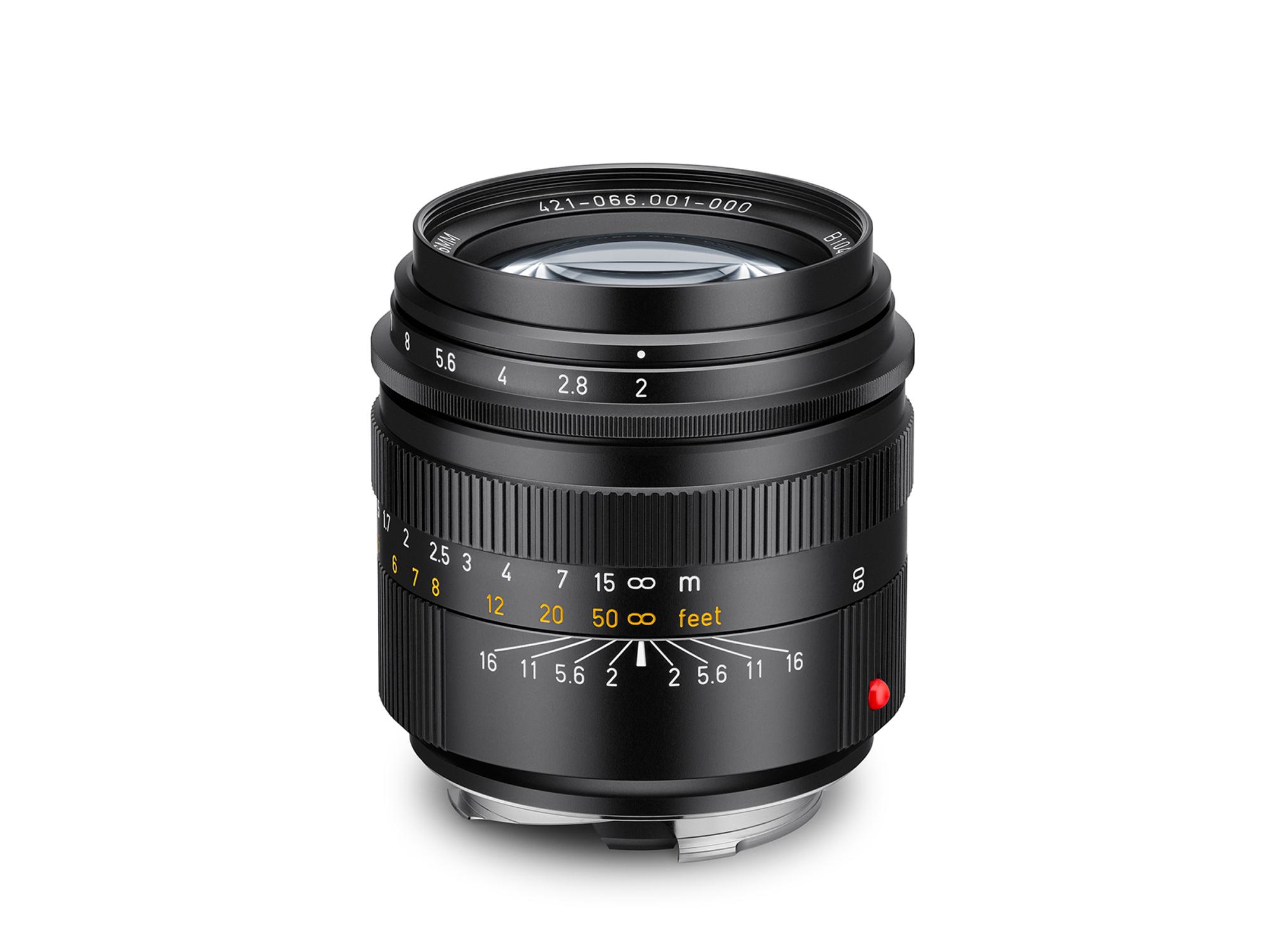
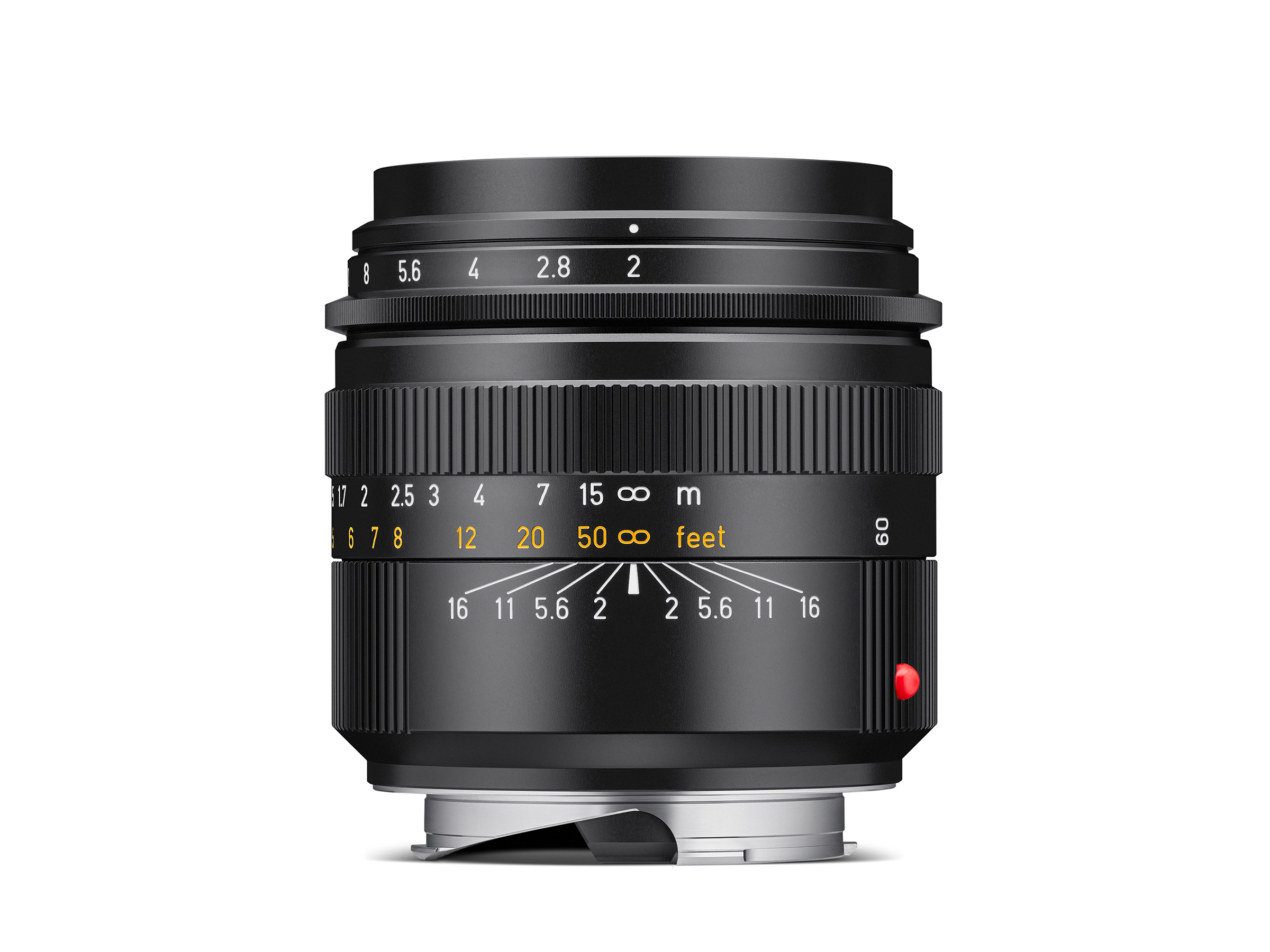
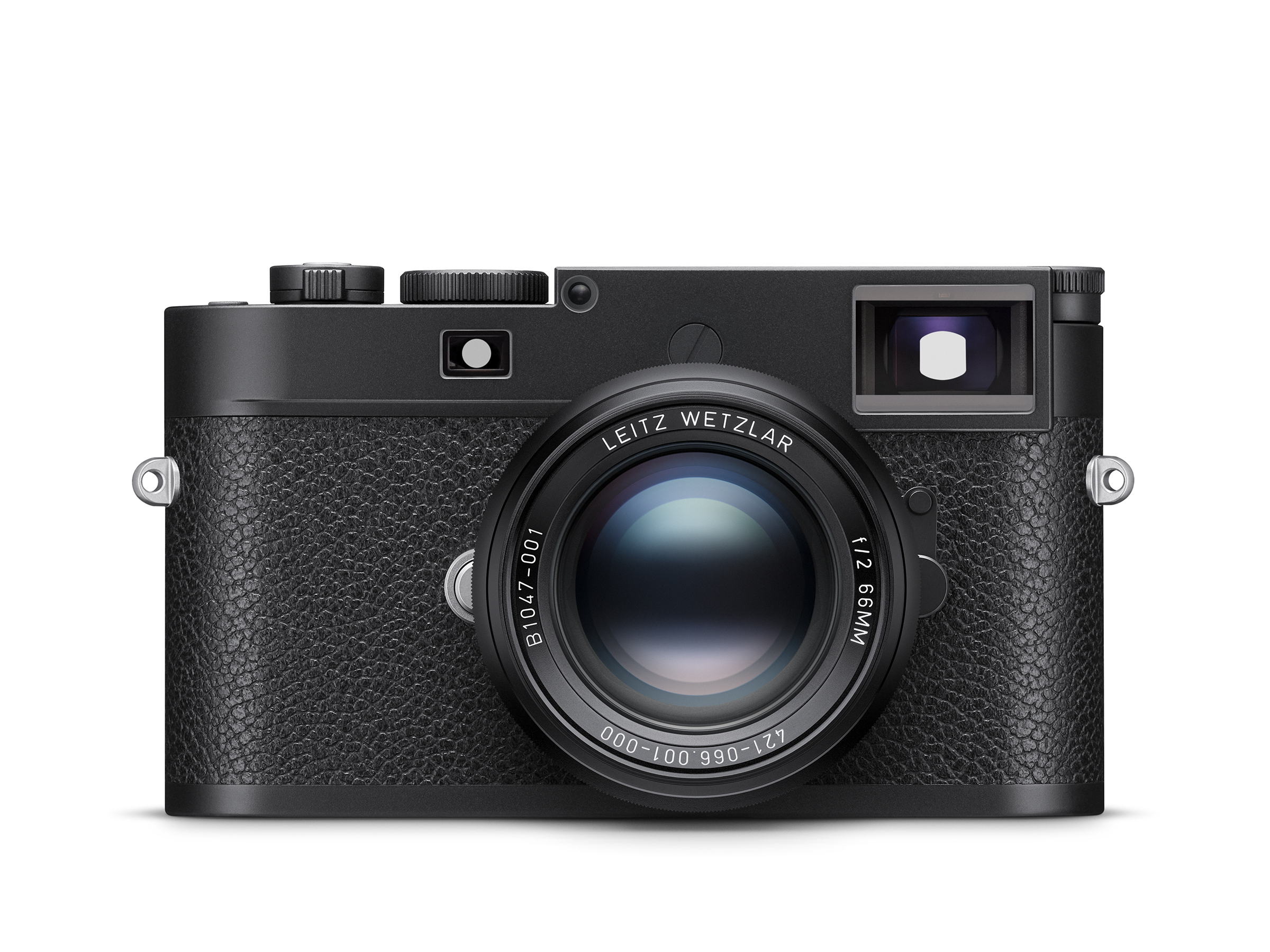
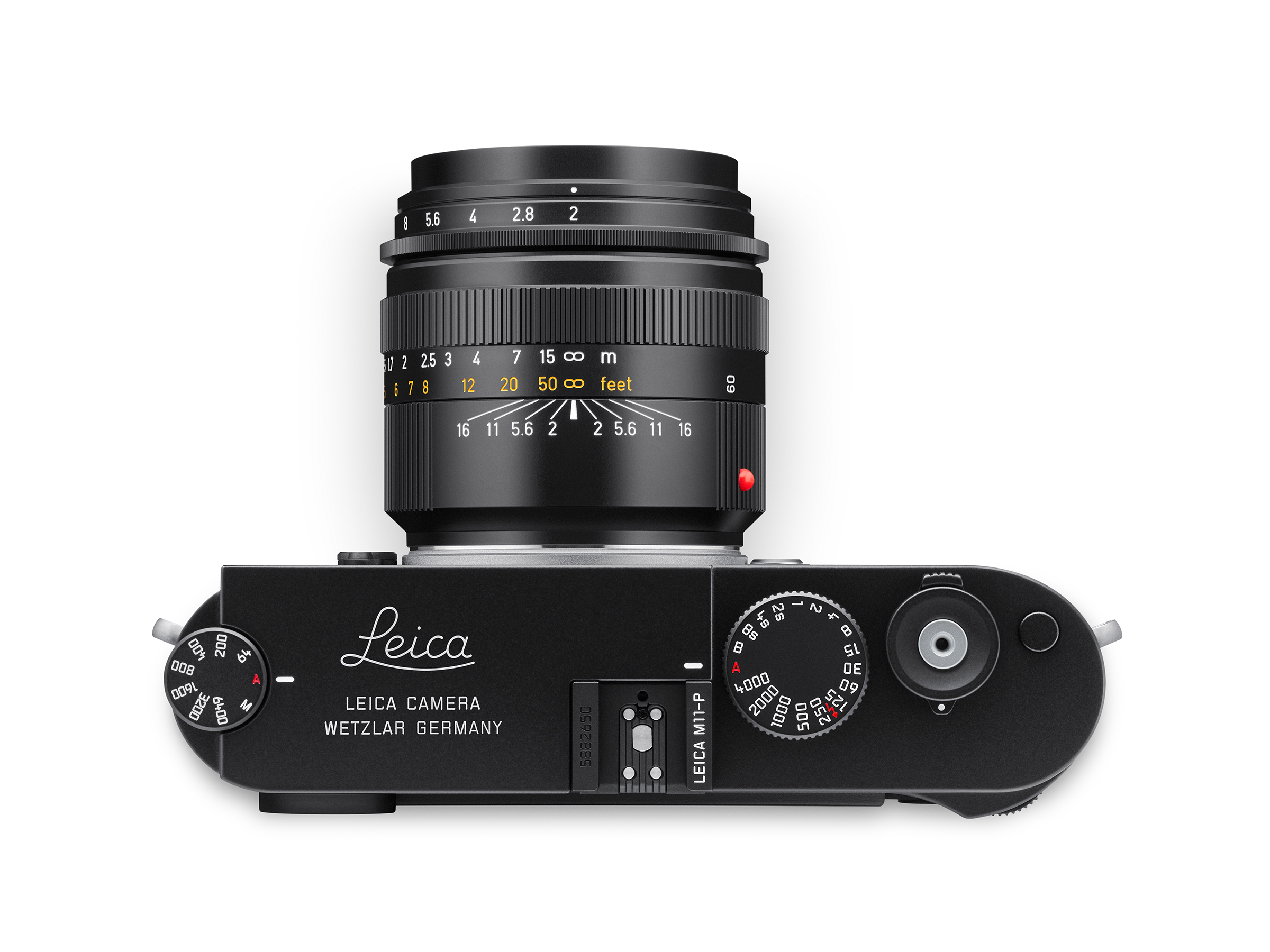
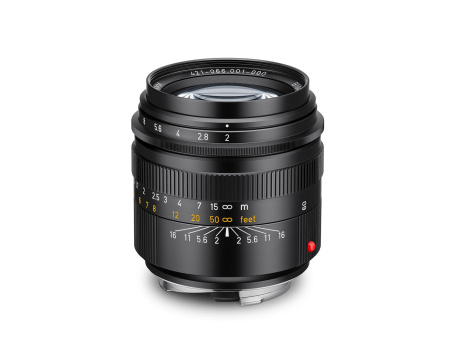
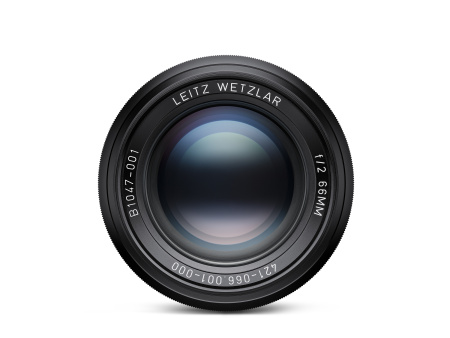
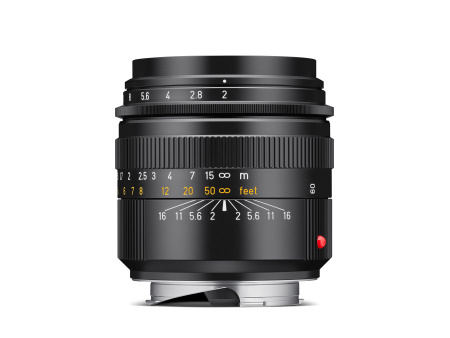
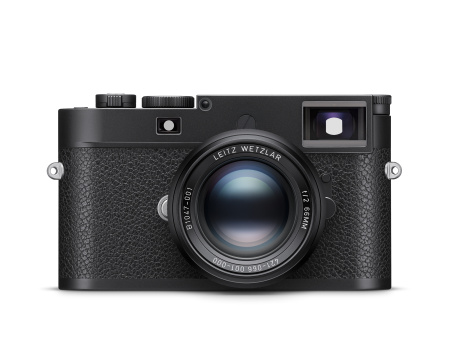
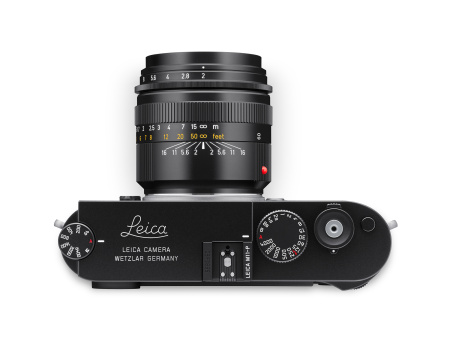
Leica Summicron-M 66 f/2
A reinterpretation of the historic, rare Elcan 66 mm f/2 lens with its unique focal length.
A Spy Lens Specifically Developed for a Secret Mission
Designed for a classified US Navy contract and produced in a limited run of around 200 units, the Elcan 66 mm f/2 is one of the rarest lenses in Leica M history. In the late 1960s, Dr. Walter Mandler, Head of Optical Development at Ernst Leitz (Canada) Ltd., created this custom-made lens for covert reconnaissance photography.
Leica is reinterpreting this extraordinary, rare spy lens with the Summicron-M 66 f/2 as part of the Leica Classic Line, with only 660 units available worldwide.
66 Millimetres
The unusual focal length of 66 millimetres was not a stylistic choice during development, but rather the optical solution to a specific requirement.
The objective in developing the Elcan 66 mm f/2 was to achieve the highest possible resolution while maintaining a fast lens speed and a compact, unobtrusive design. Dr Mandler, already a leading figure in his field at the time, opted for a focal length of 66 mm as it best met all the requirements. The Summicron-M 66 f/2 builds on this concept, opening up a new photographic dimension and bridging the gap between classic standard and portrait focal lengths.
Prized for its Distinctive Rendering
With a focal length of 66 mm, you can take photos that look natural and have a slight telephoto effect. With a wide aperture, your subject will stand out clearly from the background, creating a soft, harmonious bokeh effect. This gives your images the depth typical of portrait and reportage photography using a Leica M or Leica SL (with an adapter).
Maximum Sharpness When Stopped Down
When stopped down, the Summicron-M 66 f/2 continues to impress with its high resolution, rendering even the finest details clearly. This strength was already a key feature of the historic Elcan 66 mm f/2, which was designed to produce images that could be enlarged significantly without losing sharpness. Such optical reserve made the lens particularly suited to specialised workflows in which negatives had to withstand substantial enlargement and close examination, at times with dedicated enlarging equipment. This quality is particularly evident today in architectural and landscape photography as well as close-ups.
Limited Edition Inspired by Leica History
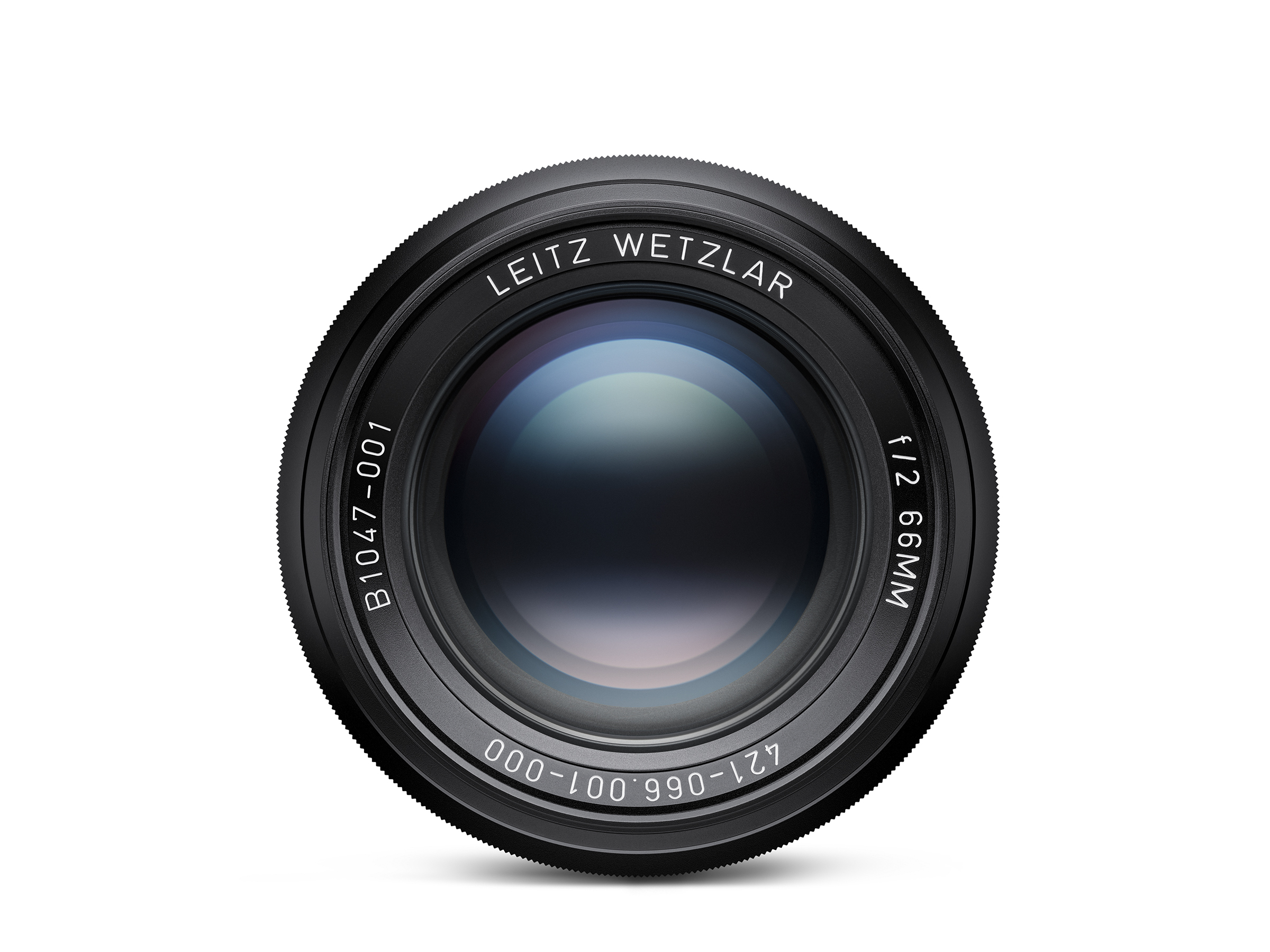
The Summicron-M 66 f/2 is being released as part of the Leica Classic Line in a limited edition of 660 units worldwide. Each lens has its own unique three-digit serial number engraved on the front ring and comes with a certificate of authenticity. As such, each Summicron-M 66 f/2 lens is a unique piece of Leica history.
The historic Elcan 66 mm f/2 was never commercially available. Produced for official use in a run of around 200 units, examples that appear on the market today are generally understood to originate from former military inventories. The new Summicron-M 66 f/2 brings this once inaccessible concept into the present as a strictly limited Leica Classic Line lens. Its distinctive focal length, compact form and exceptional resolution recall an era in which optical performance had to serve absolute discretion.
The Elcan’s mechanical design continues to influence lens design to this day. Both the original special-purpose lens and this reinterpretation differ from standard M-Lenses in that their aperture ring rotates in the opposite direction. Furthermore, the Summicron-M 66 f/2 distinguishes itself from other Leica lenses with its more refined lettering.
In the Leica Archive
Only around 200 Elcan 66 mm f/2 lenses were ever produced. As a result, this bespoke spy lens is one of the rarest in the Leica M series’ history. One of these lenses is held in the Leica Archive located in Wetzlar. It once formed part of the photographic equipment on board the guided-missile cruiser USS Little Rock. Decades later, the same lens was used to photograph the decommissioned ship, thus completing the circle between service and remembrance.
Historical accounts also suggest that equipment of this type found use beyond its original US Navy commission, among Western allied partners during the Cold War. Many Elcan 66 mm f/2 lenses are also associated with the Leica KE-7A, the special military variant of the Leica M4. Together, camera and lens formed compact sets for discreet photography in situations where exceptional detail was essential.
The original sets were supplied with an instruction manual that explained how to destroy the camera and lens in the event of capture. Striking in retrospect, this detail reflects the sensitivity of the assignments for which the equipment was created, while the lens itself remains remarkable for the optical performance that made such use possible.
Scope of delivery:
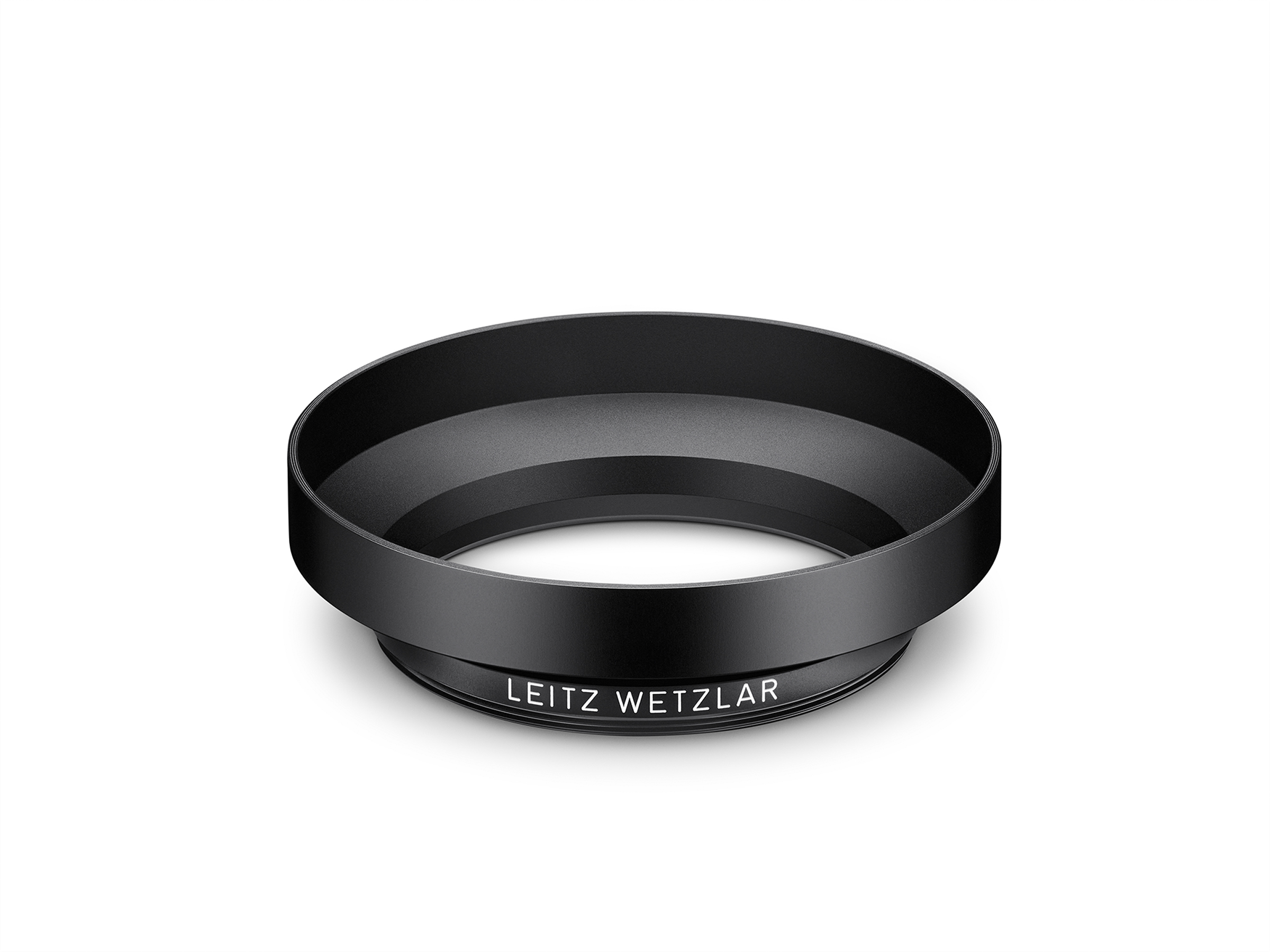
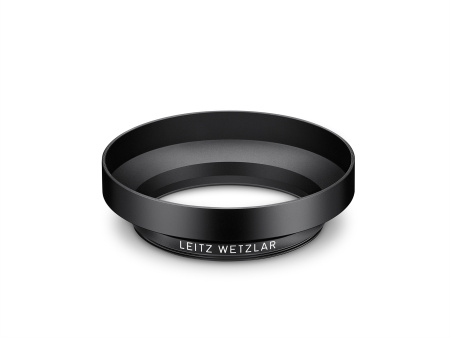
Leica Summicron-M 66 f/2, lens cap, rear lens cap, lens hood, certificate of authenticity
A reinterpretation of the historic, rare Elcan 66 mm f/2 lens with its unique focal length.
A Spy Lens Specifically Developed for a Secret Mission
Designed for a classified US Navy contract and produced in a limited run of around 200 units, the Elcan 66 mm f/2 is one of the rarest lenses in Leica M history. In the late 1960s, Dr. Walter Mandler, Head of Optical Development at Ernst Leitz (Canada) Ltd., created this custom-made lens for covert reconnaissance photography.
Leica is reinterpreting this extraordinary, rare spy lens with the Summicron-M 66 f/2 as part of the Leica Classic Line, with only 660 units available worldwide.
66 Millimetres
The unusual focal length of 66 millimetres was not a stylistic choice during development, but rather the optical solution to a specific requirement.
The objective in developing the Elcan 66 mm f/2 was to achieve the highest possible resolution while maintaining a fast lens speed and a compact, unobtrusive design. Dr Mandler, already a leading figure in his field at the time, opted for a focal length of 66 mm as it best met all the requirements. The Summicron-M 66 f/2 builds on this concept, opening up a new photographic dimension and bridging the gap between classic standard and portrait focal lengths.
Prized for its Distinctive Rendering
With a focal length of 66 mm, you can take photos that look natural and have a slight telephoto effect. With a wide aperture, your subject will stand out clearly from the background, creating a soft, harmonious bokeh effect. This gives your images the depth typical of portrait and reportage photography using a Leica M or Leica SL (with an adapter).
Maximum Sharpness When Stopped Down
When stopped down, the Summicron-M 66 f/2 continues to impress with its high resolution, rendering even the finest details clearly. This strength was already a key feature of the historic Elcan 66 mm f/2, which was designed to produce images that could be enlarged significantly without losing sharpness. Such optical reserve made the lens particularly suited to specialised workflows in which negatives had to withstand substantial enlargement and close examination, at times with dedicated enlarging equipment. This quality is particularly evident today in architectural and landscape photography as well as close-ups.
Limited Edition Inspired by Leica History
The Summicron-M 66 f/2 is being released as part of the Leica Classic Line in a limited edition of 660 units worldwide. Each lens has its own unique three-digit serial number engraved on the front ring and comes with a certificate of authenticity. As such, each Summicron-M 66 f/2 lens is a unique piece of Leica history.
The historic Elcan 66 mm f/2 was never commercially available. Produced for official use in a run of around 200 units, examples that appear on the market today are generally understood to originate from former military inventories. The new Summicron-M 66 f/2 brings this once inaccessible concept into the present as a strictly limited Leica Classic Line lens. Its distinctive focal length, compact form and exceptional resolution recall an era in which optical performance had to serve absolute discretion.
The Elcan’s mechanical design continues to influence lens design to this day. Both the original special-purpose lens and this reinterpretation differ from standard M-Lenses in that their aperture ring rotates in the opposite direction. Furthermore, the Summicron-M 66 f/2 distinguishes itself from other Leica lenses with its more refined lettering.
In the Leica Archive
Only around 200 Elcan 66 mm f/2 lenses were ever produced. As a result, this bespoke spy lens is one of the rarest in the Leica M series’ history. One of these lenses is held in the Leica Archive located in Wetzlar. It once formed part of the photographic equipment on board the guided-missile cruiser USS Little Rock. Decades later, the same lens was used to photograph the decommissioned ship, thus completing the circle between service and remembrance.
Historical accounts also suggest that equipment of this type found use beyond its original US Navy commission, among Western allied partners during the Cold War. Many Elcan 66 mm f/2 lenses are also associated with the Leica KE-7A, the special military variant of the Leica M4. Together, camera and lens formed compact sets for discreet photography in situations where exceptional detail was essential.
The original sets were supplied with an instruction manual that explained how to destroy the camera and lens in the event of capture. Striking in retrospect, this detail reflects the sensitivity of the assignments for which the equipment was created, while the lens itself remains remarkable for the optical performance that made such use possible.
Scope of delivery:
Leica Summicron-M 66 f/2, lens cap, rear lens cap, lens hood, certificate of authenticity
Specifications
|
Lens Mount
|
Leica M |
|
Focal lenght
|
66 mm |
|
Filter size
|
49 mm |
|
Autofoсus
|
No |
|
Stabilization
|
No |
|
Minimum focus
|
1.00 m |
|
Number of diafragm blades
|
9 |
|
Maximum aperture
|
F2 |
|
Minimum aperture
|
F16 |
|
Elements / groups
|
6 / 5 |
|
Lenght / diameter
|
60 mm / 60 mm |
|
Weight
|
456 g |